

Who We Are
There’s the field where farmers use our machines. And then there’s the field of agricultural equipment makers like AGCO...And figuratively speaking, we’re doing everything we can to un-level it.
The Company:
Our Brands
Also AGCO Brands:
Also AGCO Brands:
Our Commitment
“For the farmers. For the people working for them. For ourselves. For the future.”
Delivering Technology:
A Better Future:
Our Solutions
AGCO's smart farming innovations help farms and machines run more efficiently with lower inputs and higher yields–producing more with less.Our Solutions:
Our Solutions:
Careers
Working at AGCO is more than a job, it's a career in an industry that makes a difference in the live of billions of people.Investors
AGCO is well positioned to play a unique role by serving as a link between the agricultural product and manufacturing value chains.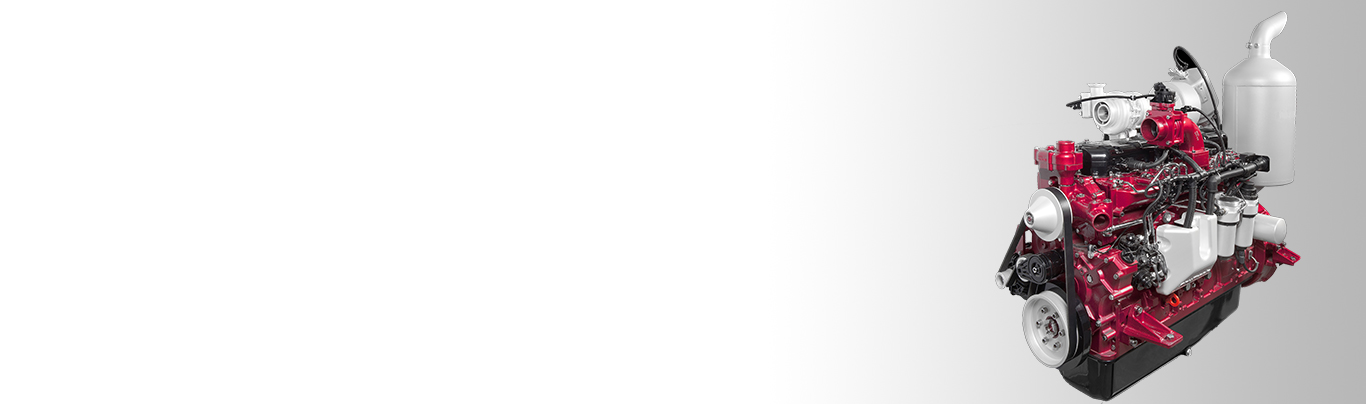
The power to empower
AGCO Power: Powering the future of farming with technology, responsibility and passion.
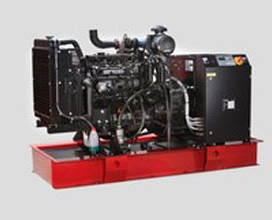
As a leader in engine technology, AGCO Power supplies engines to many of the world's leading manufacturers of tractors and other farm machinery. It is the engine of choice for a number of other applications around the world. We also produce a comprehensive range of high-end, exceptionally reliable power generation solutions.
As the world changes, so does AGCO Power. That's why we have always taken environmental concerns seriously. AGCO Power engines meet all the emission regulations, are low-maintenance and have a famously long service life.
Products
From engines to generators to wheels and gears—when it's made by AGCO Power, you know it drives business.
- Engines
- Power Generators